Morocco Travel Guide: Everything You Need to Know Before Visiting Morocco

Morocco is one of the most fascinating travel destinations in the world, offering a rich mix of ancient culture, stunning landscapes, vibrant cities, and warm hospitality. From the colorful souks of Marrakech to the golden dunes of the Sahara Desert, Morocco delivers unforgettable experiences for first-time visitors and seasoned travelers alike.

This detailed Morocco travel guide covers everything you need to know before traveling to Morocco,  including safety, best places to visit, itineraries, culture, food, and practical travel tips.

Table of Contents

Is Morocco Safe for Tourists?

One of the most common questions travelers ask is: Is Morocco safe to travel?

The answer is yes — Morocco is generally safe for tourists, especially in popular destinations such as Marrakech, Fes, Tangier, Chefchaouen, Essaouira, and the Sahara Desert. Tourism is a major industry in Morocco, and visitors are well protected.

Safety tips for travelers:

  • Tourist police are present in major cities

  • Violent crime against tourists is rare

  • Pickpocketing can occur in busy areas (like any destination)

  • Avoid isolated areas late at night

  • Use licensed guides and drivers

Solo travelers, families, and female travelers visit Morocco every year without issues. With basic common sense, Morocco is a safe and welcoming destination.

Check our detailed article about Morocco Travel safety.
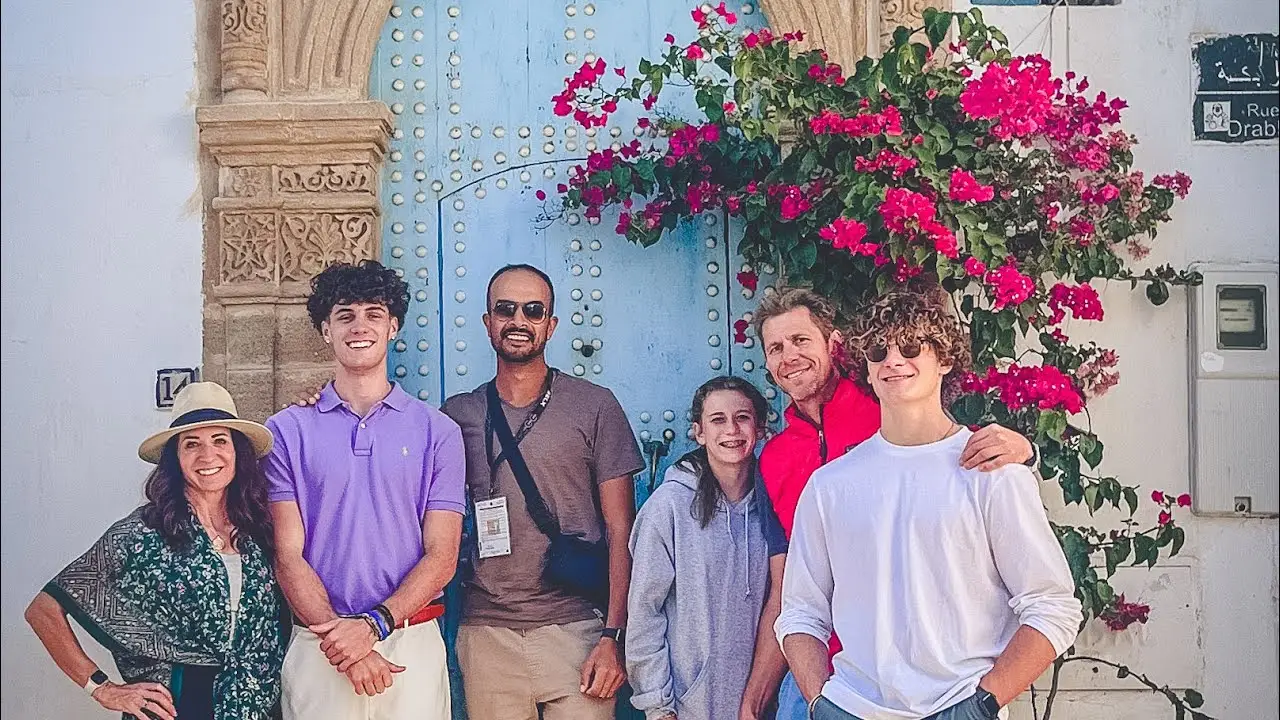
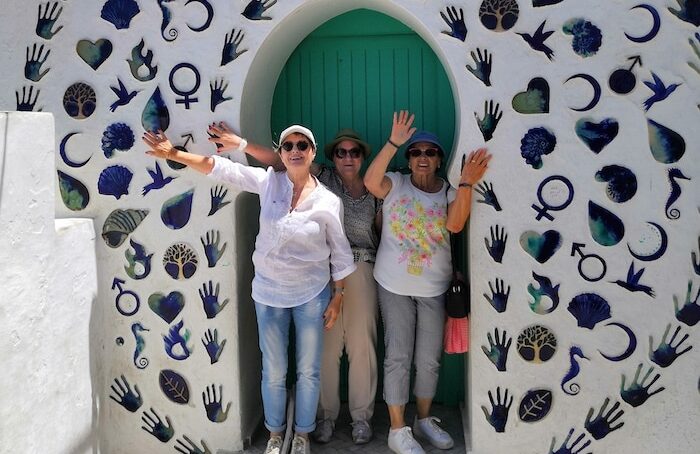
tangier day trip from Benalmadena


Best Time to Visit Morocco

Morocco is a year-round destination, but the best time to visit depends on where you’re going and what you want to do.

Spring (March – May)

  • Best overall weather

  • Ideal for sightseeing, desert tours, and hiking

  • Lush landscapes and mild temperatures

Autumn (September – November)

  • Excellent time for desert experiences

  • Fewer crowds than spring

  • Comfortable temperatures across the country

 Summer (June – August)

  • Very hot in Marrakech and the desert

  • Best for coastal cities like Essaouira and Tangier

  • Early morning or evening sightseeing recommended

Winter (December – February)

  • Cool nights, especially in the desert

  • Snow in the Atlas Mountains

  • Great for cultural city tours

  • day trips to Morocco from spain

Top Places to Visit in Morocco

Marrakech

Marrakech is Morocco’s most famous city and a must-visit destination.
Highlights include:

  • Jemaa el-Fna Square

  • Bahia Palace

  • Majorelle Garden

  • Traditional souks

  • Luxury riads and hammams

Fes

Fes is Morocco’s cultural and spiritual heart.

  • Fes el-Bali (UNESCO World Heritage Site)

  • Al Quaraouiyine University (oldest in the world)

  • Traditional tanneries

  • Authentic medieval atmosphere

Tangier

Tangier connects Europe and Africa and has a unique international history.

  • Kasbah and Medina

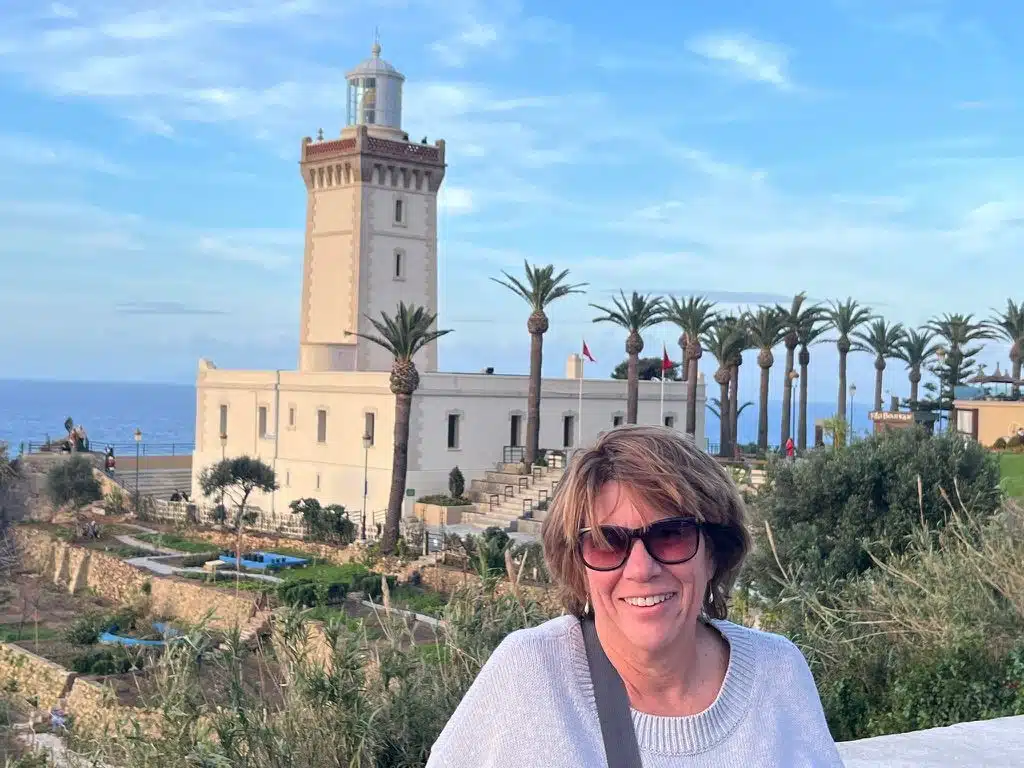
  • Cap Spartel and Hercules Cave

  • Atlantic & Mediterranean views

  • Ideal for day trips and short stays

Chefchaouen

Known as the Blue City, Chefchaouen is one of Morocco’s most photogenic towns.

  • Relaxed vibe

  • Mountain scenery

  • Perfect for photography and slow travel


Sahara Desert 

A trip to Morocco is incomplete without the desert.

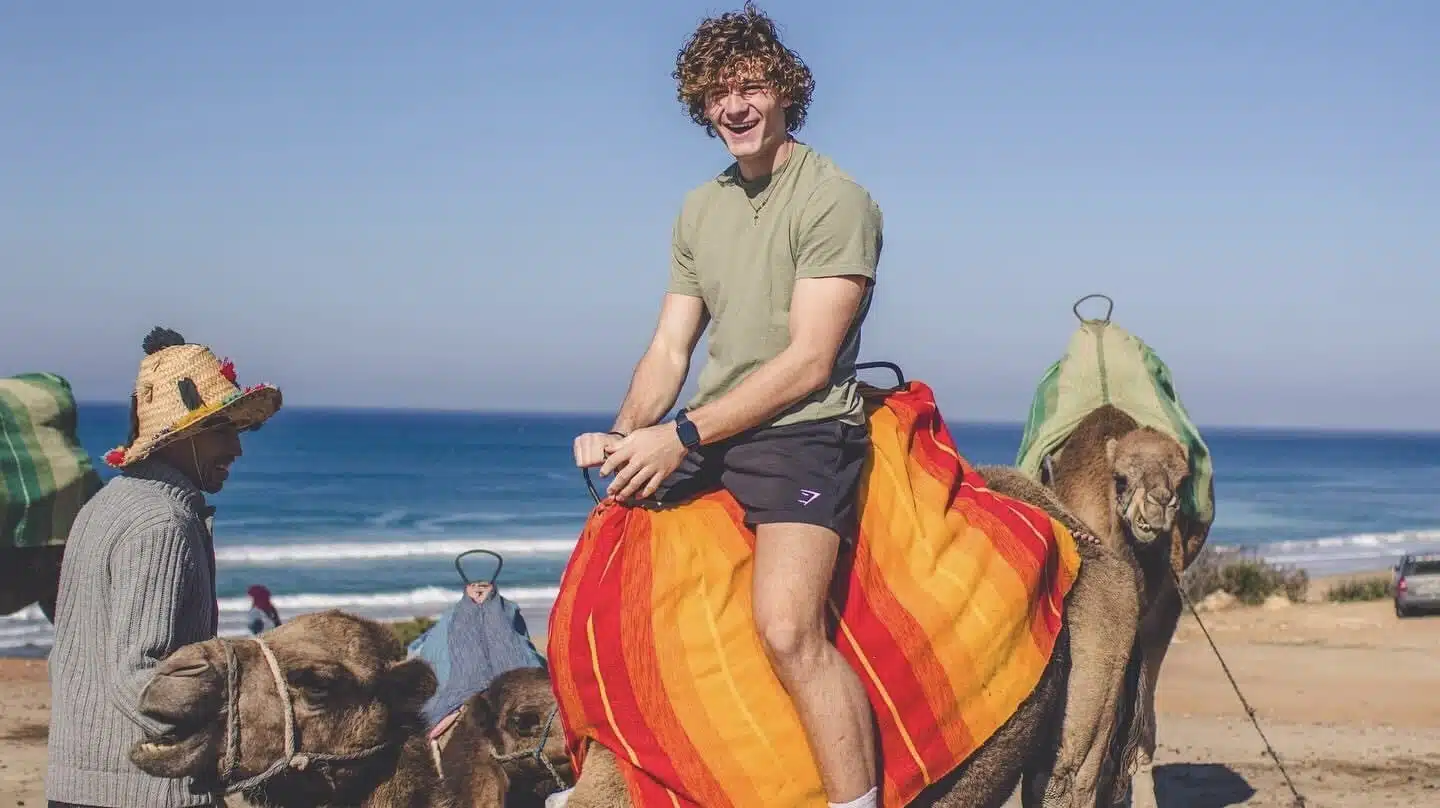
  • Camel trekking

  • Sunset over sand dunes

  • Luxury desert camps

  • Star-filled skies

Essaouira

Essaouira offers coastal charm and a laid-back atmosphere.

  • UNESCO-listed medina

  • Fresh seafood

  • Beach walks and wind sports

Morocco holidays Ideas

7 Day Morocco Itinerary

  • Marrakech

  • Atlas Mountains

  • Ait Ben Haddou

  • Sahara Desert

  • Fes

10 Day Morocco Itinerary

  • Tangier

  • Chefchaouen

  • Fes

  • Sahara Desert

  • Marrakech

  • Essaouira

14 Day Morocco Itinerary

  • Full north-to-south journey

  • Imperial cities

  • Desert experience

  • Coast and mountains

Private and customized itineraries are the best way to experience Morocco comfortably and efficiently.

Getting Around Morocco

There are several ways to travel within Morocco:

  • Trains: Modern and reliable between major cities

  • Private drivers: Most comfortable option for tours

  • Domestic flights: Useful for long distances

  • Taxis: Available everywhere (agree on price beforehand)

  • Guided tours: Stress-free and informative

For flexibility and comfort, many travelers choose private tours with local guides.

What to Wear in Morocco

Morocco is culturally conservative but tourist-friendly.

Clothing tips:

  • Light, breathable fabrics

  • Cover shoulders and knees in cities

  • Beachwear is fine on the coast and in resorts

  • Comfortable walking shoes

  • Warm layers for desert nights

Women are not required to wear a headscarf, but modest dress is appreciated.

Check our detailed article about Morocco clothing tips.
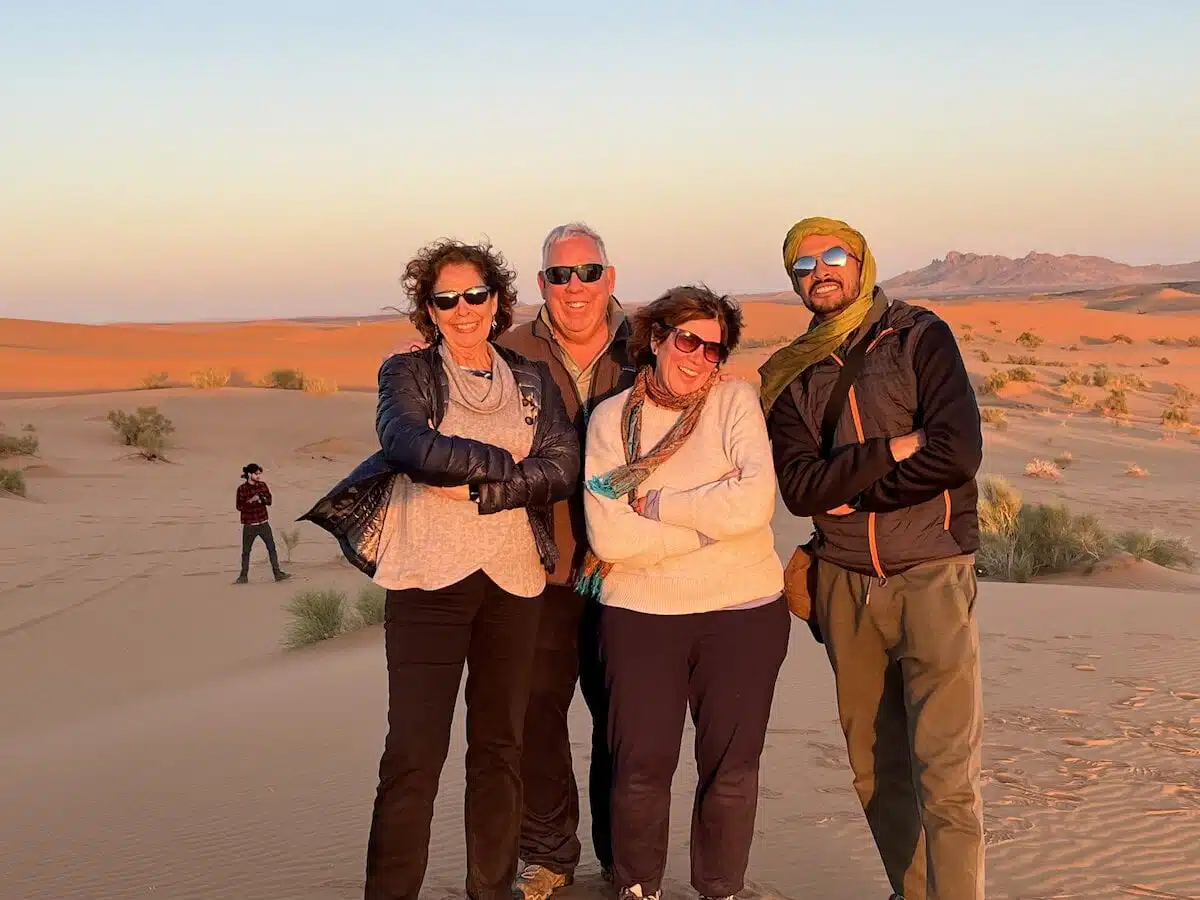
 

Merzouga desert

Moroccan Food & Cuisine

Moroccan cuisine is one of the highlights of any trip.

Must-try dishes:

  • Tagine (slow-cooked stew)

  • Couscous

  • Pastilla

  • Harira soup

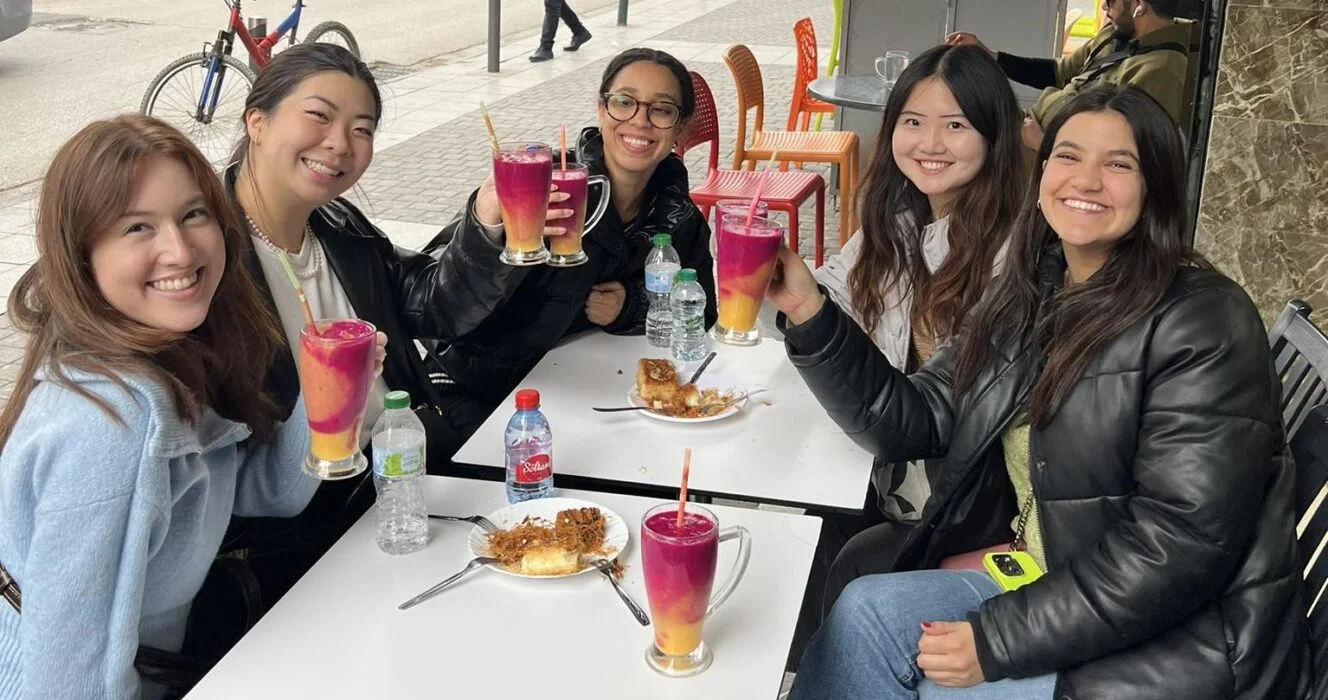
  • Moroccan mint tea

Food is generally safe, especially in reputable restaurants. Street food is popular but choose busy stalls.
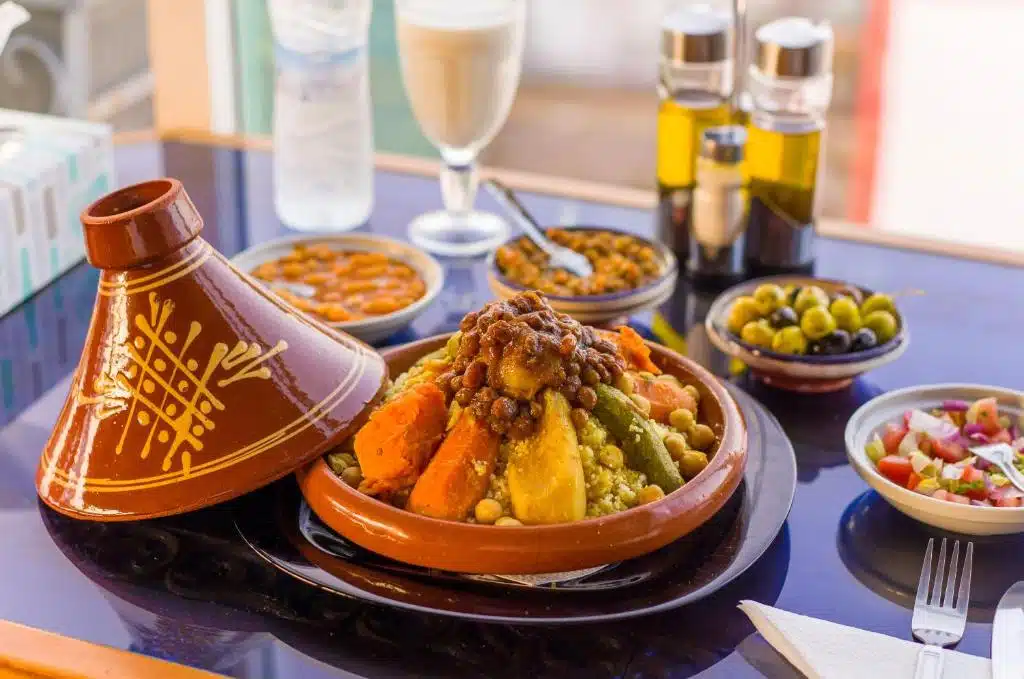
Traditional Moroccan meal on a guided Tangier day tour

Money, Tipping & Practical Information

  • Currency: Moroccan Dirham (MAD)

  • Cash is widely used

  • ATMs available in cities

  • Credit cards accepted in hotels and restaurants

  • Tipping is customary (5–10%)

Other essentials:

  • SIM cards available at the airport

  • Power plugs: Type C & E

  • Internet widely available

Culture, Customs & Etiquette

Understanding Moroccan culture enhances your experience:

  • Greetings are important

  • Hospitality is a core value

  • Bargaining is expected in souks

  • Ask before photographing people

  • Respect Ramadan customs

Moroccans are welcoming and appreciate respectful behavior.
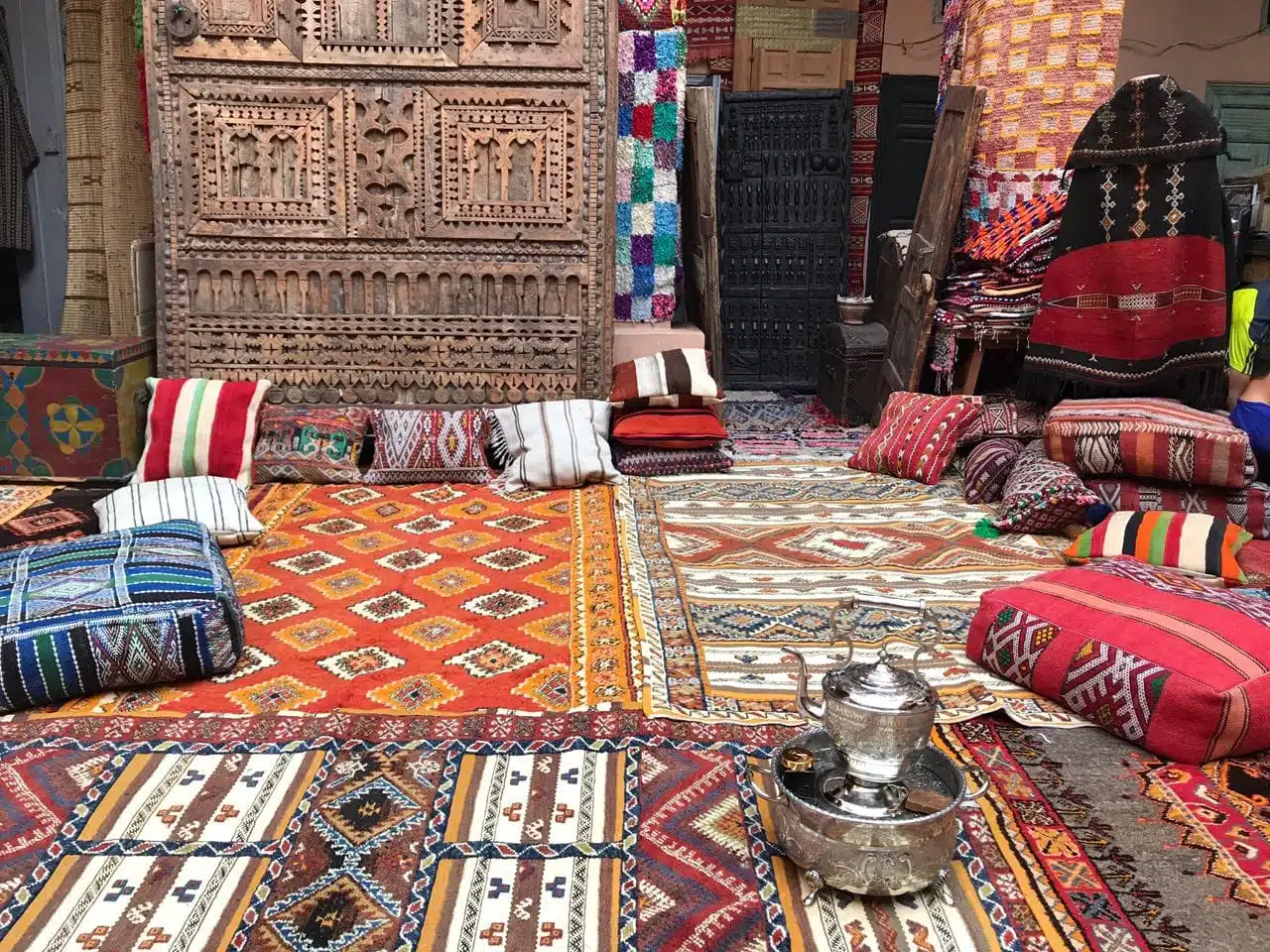
 

moroccan area rugs

Travel to Morocco visa Requirements

Many nationalities can enter Morocco visa-free for up to 90 days.
Requirements:

  • Passport valid for at least 6 months

  • Return ticket recommended

Check with your local embassy for updated entry rules.

Why Travel Morocco with a Local Guide?

Traveling with a local guide offers:

  • Insider knowledge

  • Cultural understanding

  • Time efficiency

  • Safety and comfort

  • Custom experiences

Private tours allow you to discover Morocco at your own pace while accessing places most travelers miss.


Final Travel Tips for Morocco

  • Travel slowly and enjoy the culture

  • Stay in traditional riads

  • Learn basic Arabic or French phrases

  • Respect local customs

  • Book desert tours with professionals

Conclusion

Morocco is a destination that combines history, culture, adventure, and luxury. Whether you’re exploring imperial cities, wandering blue alleys, or sleeping under desert stars, Morocco promises a truly unforgettable journey.

With good planning and local insight, your trip to Morocco will be smooth, safe, and deeply rewarding.

FAQs: Morocco Travel guide

Is Morocco safe for tourists?

Yes, Morocco is generally safe for tourists. The country has a well-developed tourism infrastructure and a strong police presence in popular cities such as Marrakech, Fes, Tangier, Chefchaouen, and Essaouira. As with any destination, travelers should stay aware of their surroundings and take basic precautions against pickpocketing in crowded areas.

Do I need a visa for my Morocco trip?

Many travelers, including citizens of the EU, UK, USA, Canada, Australia, and several other countries, do not need a visa to enter Morocco for stays of up to 90 days. Your passport should be valid for at least six months. Always check the latest requirements before traveling.

What is the best time to visit Morocco?

The best time to visit Morocco is during spring (March–May) and autumn (September–November) when the weather is mild and ideal for sightseeing, desert tours, and cultural experiences. Summer can be very hot inland, while winter nights can be cold in the desert.

Is Morocco good for first-time travelers?

Yes, Morocco is an excellent destination for first-time travelers. The country is easy to navigate, culturally rich, and offers a wide range of experiences. Choosing a guided or private tour can make the experience even smoother, especially for first-time visitors.

Can I travel to Morocco as a solo or female traveler?

Yes. Morocco welcomes solo travelers and female travelers from all over the world. Dressing modestly, avoiding isolated areas at night, and booking reputable accommodations or tours are recommended for a comfortable experience.

Can you drink alcohol in Morocco?

Yes, alcohol is available in licensed hotels, bars, and restaurants, but drinking in public is not acceptable.

What should I wear in Morocco?

Morocco is relatively relaxed but culturally conservative. Lightweight clothing that covers shoulders and knees is recommended, especially in cities and rural areas. Beachwear is acceptable in coastal towns and resorts. Comfortable walking shoes are essential.

What currency is used in Morocco?

The official currency is the Moroccan Dirham (MAD). Cash is widely used, and ATMs are easily accessible in cities. Credit cards are accepted in many hotels, riads, and restaurants, but smaller shops usually accept cash only.

Is tipping expected in Morocco?

Yes, tipping is customary in Morocco. In restaurants, a tip of 5–10% is appreciated if service is not included. Guides, drivers, and hotel staff also expect small tips for good service.

What language is spoken in Morocco?

The main languages spoken in Morocco are Arabic and Amazigh (Berber). French is widely used, and English is increasingly spoken in tourist areas. Learning a few basic Arabic or French phrases is always appreciated.

Is Morocco suitable for families with children?

Absolutely. Morocco is family-friendly and offers cultural experiences, outdoor activities, and welcoming accommodations. Many hotels and riads cater specifically to families.

How many days do I need to visit Morocco?

A minimum of 7–10 days is recommended to experience Morocco’s highlights. For a more complete journey including the desert, mountains, and coast, 12–14 days is ideal.

Is it worth booking a private tour in Morocco?

Yes. Private tours offer flexibility, comfort, local knowledge, and personalized experiences. They are especially recommended for travelers who want a stress-free journey and deeper cultural insight.

Scroll to Top