Travel to Morocco during Ramadan
Travelers often wonder: can you travel to Morocco during Ramadan?
The answer is yes, and for many visitors, it can be one of the most meaningful times to experience the country.
Ramadan is a holy month observed throughout Morocco, marked by daytime fasting and vibrant evenings filled with family gatherings, food, and tradition. While daily routines shift slightly, Morocco remains open, safe, and welcoming to international travelers. Hotels operate normally, tours continue, and tourist attractions stay accessible.
Morocco remains a safe and welcoming destination for tourists, even during Ramadan. If you’re planning your trip, you may also want to read our complete guide on Morocco travel safety to feel fully prepared.
This guide explains what tourists should expect when traveling to Morocco during Ramadan, including opening hours, food availability, cultural etiquette, safety, and practical travel tips, so you can plan your trip with confidence.
Table of Contents
What Is Ramadan in Morocco?
Ramadan is the holy month of fasting for Muslims. From sunrise to sunset, practicing Muslims refrain from eating, drinking, and smoking. After sunset, families and communities gather for iftar, the evening meal, one of the most beautiful moments to witness in Morocco.
The dates change every year because Ramadan follows the lunar calendar.
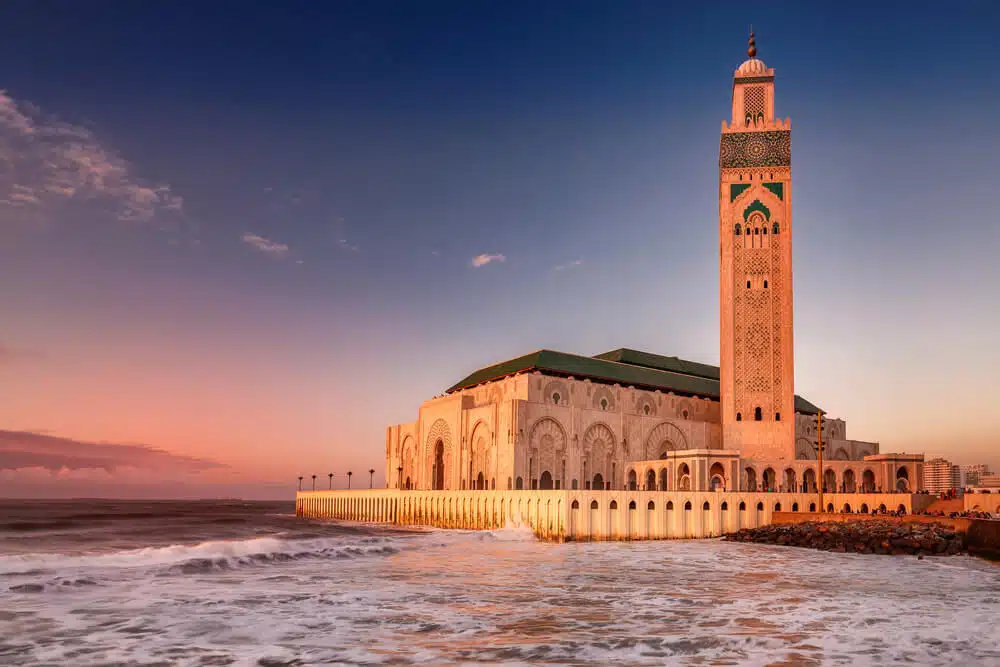
Is Morocco Open During Ramadan?
Yes. Morocco remains fully open during Ramadan:
Hotels operate normally
Riads welcome international guests
Tour guides, drivers, and tour companies still work
Major tourist attractions remain open
That said, daily rhythms change, and that’s important to understand.
What to expect in Morocco during Ramadan?
Opening Hours
Shops may open later in the morning
Some close in the afternoon and reopen after sunset
Souks are often livelier at night
Restaurants & Cafés
Tourist areas usually keep restaurants open during the day
Local cafés may be closed until sunset
Hotels always serve meals to guests
Tip: Ask your riad or guide where to eat, locals know exactly what’s open.
Cultural Etiquette for Non-Muslims
Tourists are not expected to fast, but respectful behavior goes a long way.
Do:
Eat and drink discreetly in public
Dress modestly (especially in smaller cities)
Be patient, fasting can be tiring
Avoid:
Eating loudly or openly in conservative areas
Smoking in public during the day
Criticizing or joking about fasting
Moroccans are generally very understanding and welcoming.
Why Ramadan Can Be a Great Time to Visit Morocco?
Magical Evenings
After sunset, cities come alive:
Streets fill with food stalls
Families gather
Mosques glow with lights
Cafés stay open late
Deeper Cultural Experience
Ramadan offers rare insight into Moroccan life:
Charity and generosity increase
Social bonds feel stronger
Visitors often experience exceptional hospitality
Slower, Calmer Days
Daytime is quieter:
Fewer crowds
Relaxed sightseeing pace
Ideal for photography and walking tours
Is Morocco Safe During Ramadan?
Yes, Morocco is generally very safe during Ramadan, and many travelers find the atmosphere calmer and more peaceful than at other times of the year. The majority of people are focused on family, spirituality, charity, and community, which often leads to a stronger sense of respect and solidarity in public spaces.
That said, travelers should be aware of one small but realistic detail: fasting can be physically demanding. A limited number of people , particularly those who are used to smoking or using tobacco or other substances , may feel more tired or irritable during the day because they are abstaining until sunset.
This does not translate into danger for tourists. It simply means visitors should:
Be patient if service feels slower during the day
Avoid confrontations or heated discussions
Respect personal space, especially in crowded areas
By the evening, once people have broken their fast, the atmosphere becomes noticeably relaxed and welcoming.
Overall, there is no increase in crime during Ramadan, and Morocco remains safe for tourists, families, solo travelers, and religious visitors alike. Practicing basic travel awareness, as you would anywhere in the world is more than sufficient.
What to Wear in Morocco During Ramadan
During Ramadan, dressing modestly in Morocco is especially appreciated and helps visitors feel comfortable and respectful. Both men and women are encouraged to wear loose, breathable clothing that covers shoulders and knees, particularly in traditional neighborhoods, medinas, and smaller towns. Women do not need to cover their hair, but long dresses, skirts, or trousers paired with tops that cover the shoulders are ideal, while men should avoid sleeveless shirts and very short shorts in public spaces. For practical outfit ideas and cultural tips, see our complete guide on what to wear in Morocco. Modest dress during Ramadan is not a strict requirement for tourists, but it often leads to more positive interactions with locals.
Who Should Travel During Ramadan?
Perfect for:
Cultural travelers
Couples
Photographers
Visitors seeking authentic experiences
Less ideal for:
Party-focused trips
Travelers needing strict meal schedules
Those expecting fast-paced sightseeing
Morocco Ramadan travel tips
Plan main activities in the morning
Relax in the afternoon
Enjoy evenings after iftar
Book guided tours — local guides adapt schedules easily
Confirm restaurant hours in advance
FAQ- Visiting Morocco during Ramadan 2026
Can I travel to morocco during Ramadan?
Yes, of course, visiting Morocco during the holy month of Ramadan is a great cultural experience.
Can tourists eat during the day?
Yes, especially in hotels and tourist restaurants.
Is alcohol available?
Limited, but available in licensed hotels and restaurants.
Are tours canceled during Ramadan?
No. Private and guided tours run normally, often with adjusted hours.
Is Morocco fully open to tourists during Ramadan?
Yes. Morocco remains open and welcoming to tourists during Ramadan. Hotels, riads, airports, trains, and tour operators function normally, though some shops and attractions may operate on adjusted hours.
Is it disrespectful to eat in public during Ramadan?
While it is not illegal for tourists, it is considered respectful to eat and drink discreetly in public spaces, particularly in smaller towns or traditional neighborhoods.
Should I change how I dress during Ramadan?
Modest dress is encouraged year-round, but especially during Ramadan. Covering shoulders and knees shows cultural respect and helps you blend in comfortably.
Can tourists participate in iftar?
Yes. Many Moroccans are happy to share Iftar with visitors, and some hotels and restaurants offer traditional iftar meals, a memorable cultural experience.
When is Ramadan in Morocco 2026?
This year, Ramadan is expected to start on 17 February, and end on the sunset of Wednesday Mach 18.
The islamic calendar is lunar, the dates aren't exactly known due to the sighting of the moon.
Traveling to Morocco during Ramadan is not only possible, it can be deeply rewarding. With quieter days, fewer crowds, and lively evenings after sunset, visitors gain a more authentic look into Moroccan culture and daily life.
As long as travelers remain respectful of local customs and plan activities thoughtfully, Ramadan presents no major challenges. In fact, many tourists find the atmosphere warmer, calmer, and more memorable than other times of the year.
Whether you’re visiting for culture, history, food, or a private guided tour, Morocco during Ramadan offers a unique and enriching travel experience that goes far beyond sightseeing.